The Hidden Culprits Behind a Messy-Looking Home
Even the cleanest homes can appear cluttered and disorganized—and according to interior designers, the problem often isn't cleanliness but layout. Design professionals have identified three critical mistakes that make living spaces feel chaotic, regardless of how tidy they actually are.
These layout issues have become particularly relevant as homeowners continue investing in their living spaces following the pandemic, seeking quick improvements that don't require major renovations or significant spending.
Mistake #1: Ignoring Scale and Proportion
According to reports, one of the most common layout errors is selecting furniture without considering scale and proportion. This mistake can make even spacious rooms feel cramped or awkwardly arranged.
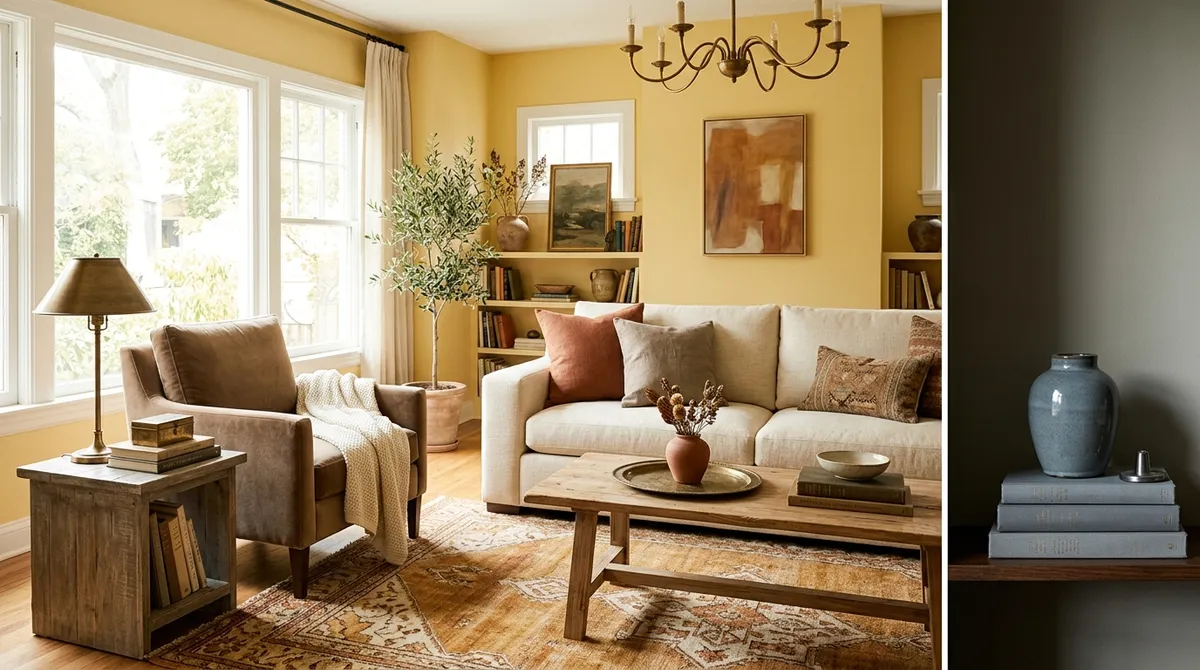
When furniture pieces are either too large or too small for a space, they create visual imbalance that reads as messiness to the eye. A oversized sectional in a small living room or tiny accent chairs in a grand space both contribute to this disjointed feeling.
Designers emphasize that getting scale right is fundamental to creating a harmonious layout that feels intentional rather than haphazard.
Mistake #2: Poor Spacing and Overcrowding
The second major issue involves spacing—specifically, overcrowding rooms with too much furniture or placing pieces too close together. This creates visual clutter even when everything is perfectly clean and organized.
Poor spacing affects traffic flow and makes rooms feel smaller than they actually are. According to reports, this mistake is particularly common in smaller homes where owners try to maximize seating or storage without considering the breathing room furniture needs.
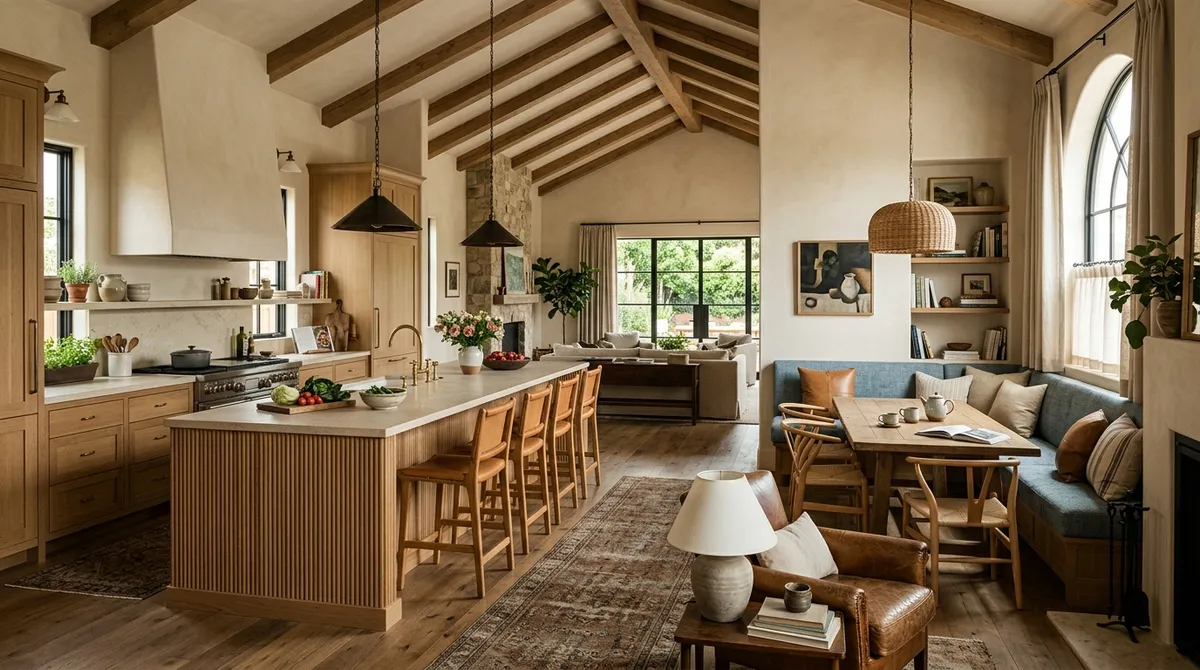
Proper spacing allows the eye to rest and creates a sense of openness that contributes to an overall feeling of organization and calm.
Mistake #3: Misaligned and Haphazard Furniture Placement
The third critical error is misaligned or haphazard furniture placement. When pieces aren't properly positioned in relation to each other or to architectural features, the entire room feels off-balance.
This includes furniture floating randomly in space without clear purpose, pieces that don't relate to focal points like fireplaces or windows, and arrangements that don't facilitate conversation or functionality.
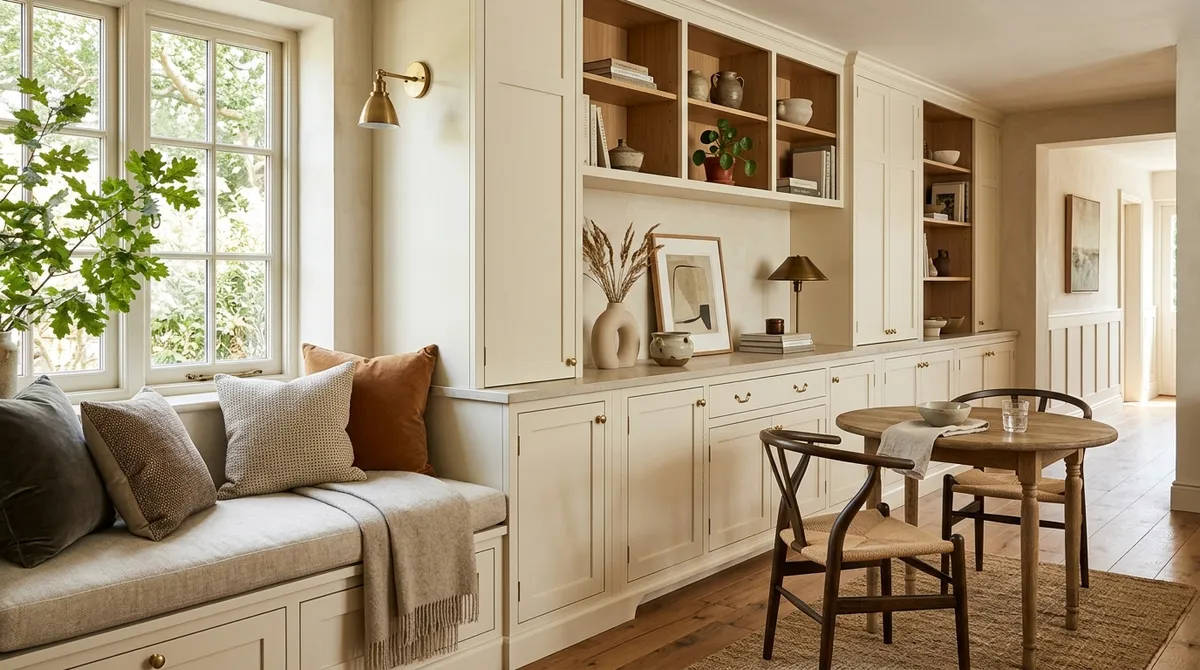
Designers note that thoughtful furniture placement creates visual order and helps establish clear pathways and purpose for different areas within a room.
Quick Fixes for Better Layout
The good news is that addressing these layout mistakes offers actionable improvements without major renovations. According to reports, homeowners can transform their spaces through strategic furniture swaps and repositioning rather than complete overhauls.
Budget-friendly solutions include rearranging existing furniture to improve proportion and spacing, removing excess pieces to reduce overcrowding, and aligning furniture with room features to create visual harmony.
Why Layout Matters More Than Ever
Home design content focusing on layout improvements has proven particularly valuable as people continue prioritizing their living environments. These three mistakes—scale issues, poor spacing, and misaligned placement—represent common problems with relatively simple solutions.
By addressing scale and proportion, improving spacing, and creating intentional furniture arrangements, homeowners can dramatically improve how their spaces feel without spending significantly or undertaking major projects.
The key insight from design professionals is that a successful layout depends on understanding the relationship between furniture pieces and the space they occupy, creating visual harmony that reads as organized and intentional rather than cluttered and chaotic.