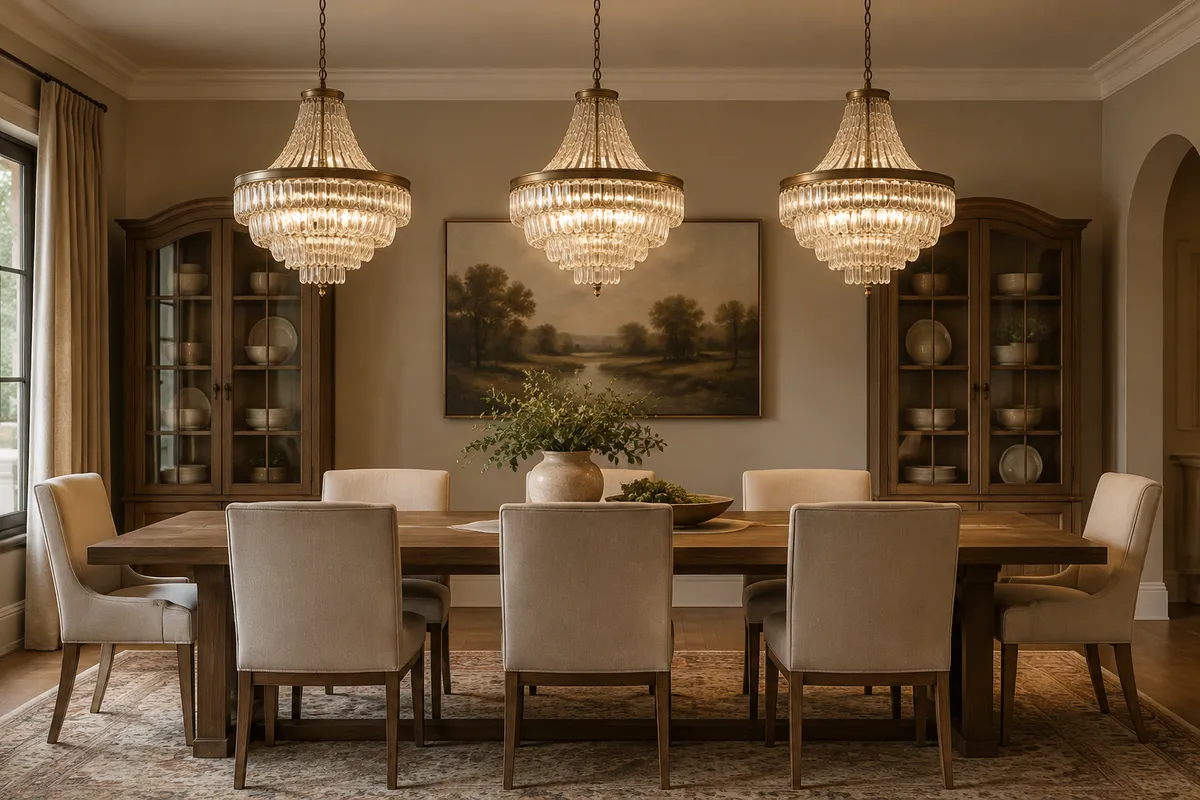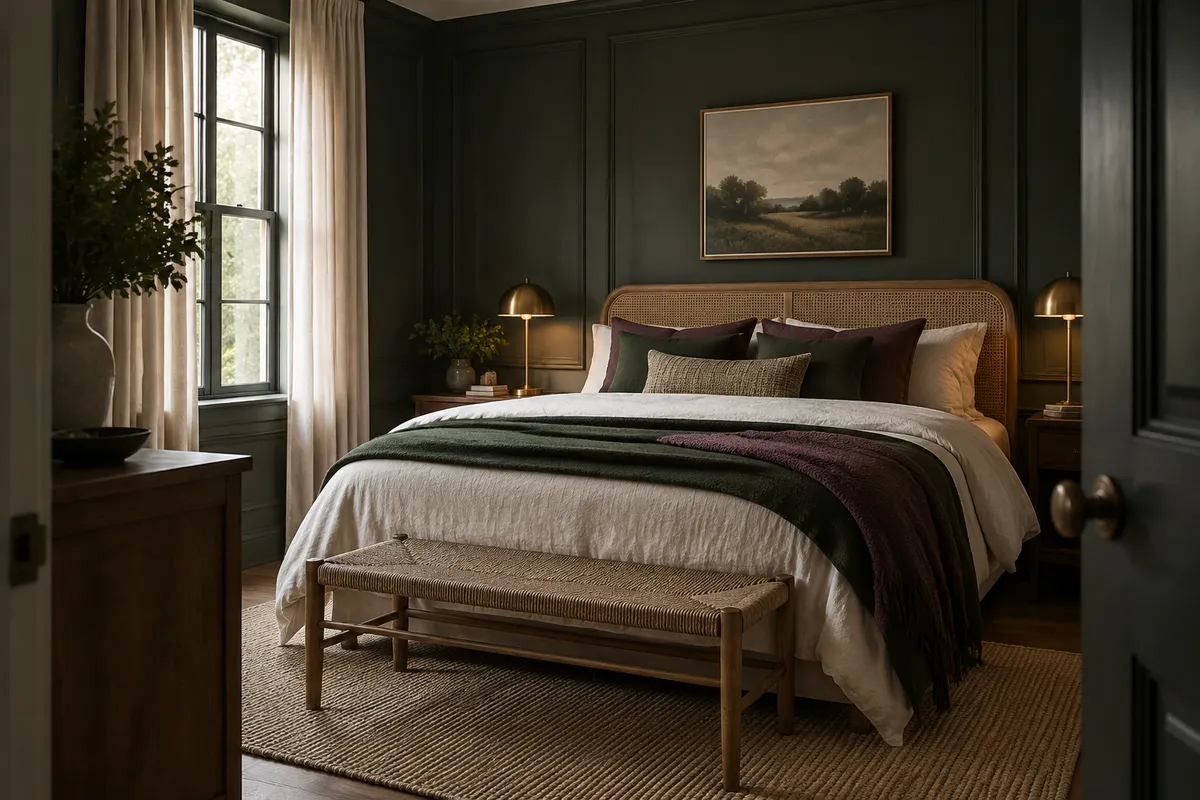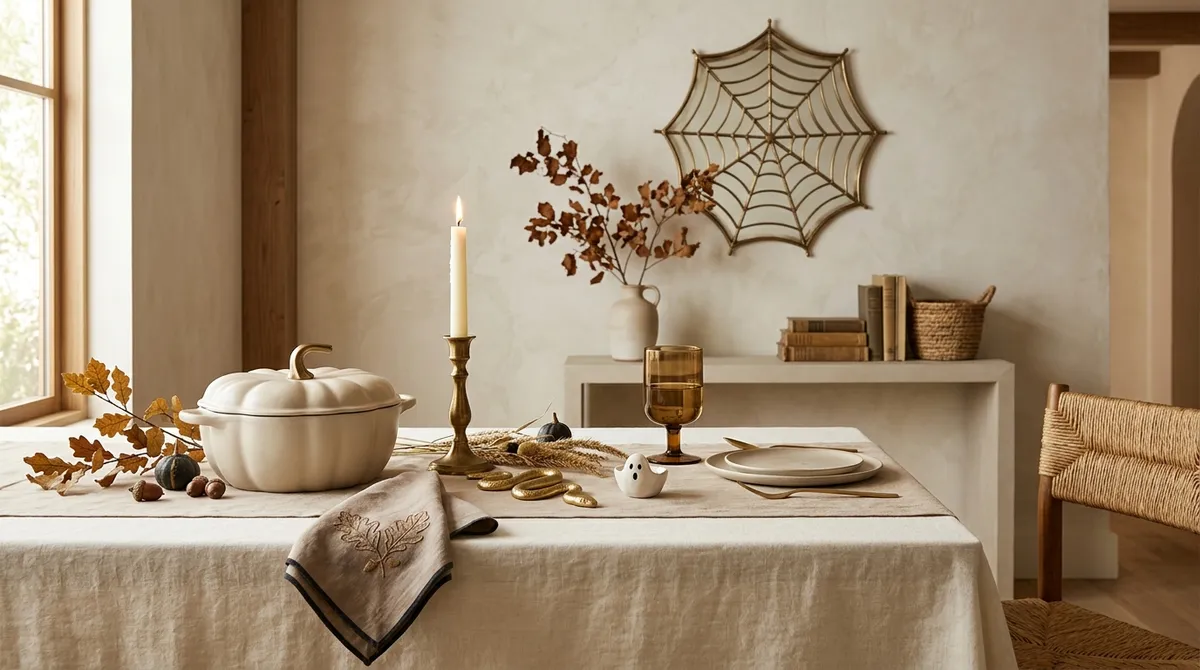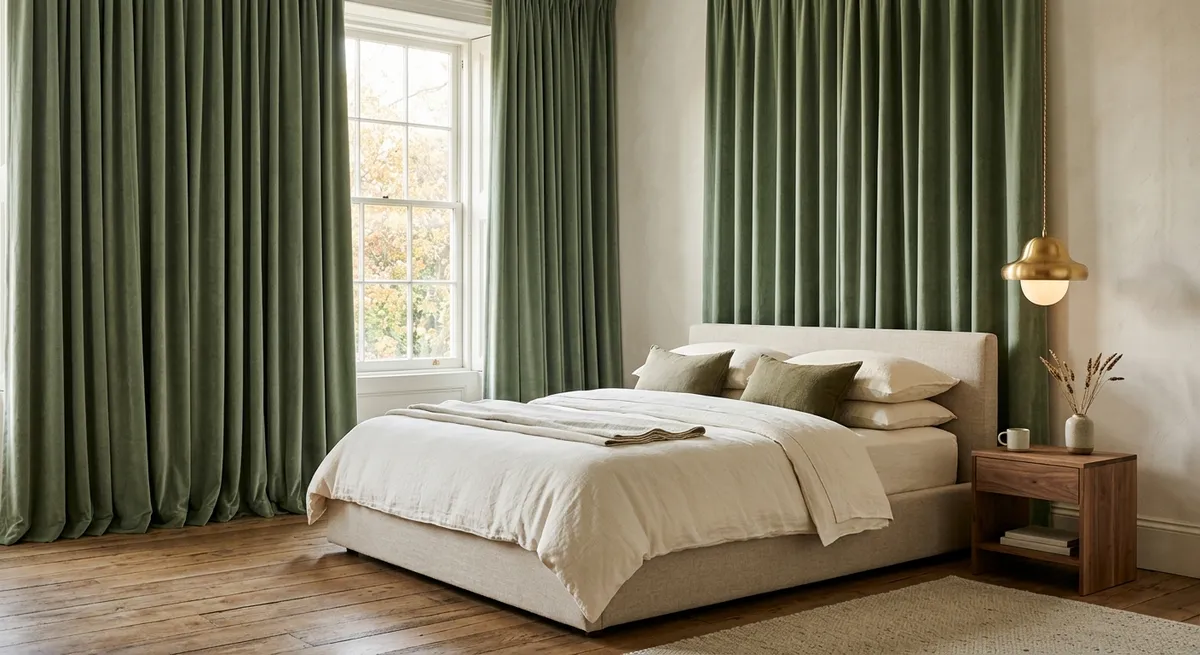

The minimalist, cookie-cutter interior has had a long run. Bare walls, neutral palettes, and spaces scrubbed of personality dominated the past decade — and a lot of homeowners are quietly tired of it. Designers have noticed, and the response is a full-throated embrace of features that were, until recently, considered renovation targets. The question worth asking before your next project: is that "outdated" detail actually worth saving?
By the end of this piece, you'll have a clearer framework for spotting the retro elements designers are championing right now, understanding why they work in modern homes, and styling them so they read as intentional rather than ignored.
Why "Outdated" Is Having a Moment
Nostalgia is driving interior design in a meaningful way right now. According to reporting by The Spruce, interior designers are actively pointing clients toward once-dated home features and reframing them as character-rich assets. The shift isn't random — it's a direct reaction to years of interiors that all looked like the same Airbnb.
When every room follows the same playbook (white shiplap, open shelving, subway tile), the homes that actually stand out are the ones that kept the weird, specific, older stuff. A carved wood banister. Colored grout. Built-in corner shelving. These details carry history, and history is exactly what mass-produced design can't fake.
The key design insight here is that something feels dated when it looks unintentional — like it survived because nobody got around to removing it. The same feature feels vintage when it's clearly been kept on purpose, styled with confidence, and allowed to coexist with more current elements.
How to Tell If a Retro Feature Is Worth Keeping
Before you demo anything, run it through three quick tests.
Does it have physical integrity? An original hardwood floor with good bones is worth refinishing. A water-damaged drop ceiling with structural issues is a different conversation. Structural or functional problems are renovation problems. Aesthetic "oldness" alone is not.
Does it have a counterpart in current design? Most retro features that designers are reviving have a clear modern analog — they echo something that's already showing up in new construction or high-end interiors. If you can find the feature in a current design magazine, just in a newer context, that's a signal it translates.
Can you style around it? A feature doesn't need to dominate a room to survive in it. If you can treat it as a focal point and build the rest of the space to complement rather than clash, you have a workable situation.
Making Retro Details Feel Modern, Not Neglected
Styling is where most people either land this or lose it. The difference between "charmingly vintage" and "just old" usually comes down to a few deliberate choices.
Keep the rest of the room edited
One strong retro element reads as a design decision. Four competing ones read as clutter. If you're highlighting an older architectural feature, let it breathe. Pull back on surrounding decoration so the feature gets focus.
Mix eras with intention
Designers who are reviving old features aren't building time capsules — they're pairing vintage details with contemporary furniture, current textiles, and modern lighting. A mid-century built-in looks entirely fresh next to a simple linen sofa and a modern pendant. The contrast is the point.
Update the finish or the surround
You don't have to restore a feature to its original state to honor it. Repainting a vintage built-in in a current color, re-tiling around an original fixture with something more contemporary, or simply deep-cleaning and refinishing can modernize the reading of a feature without erasing its character.
Let it be the conversation piece
Old features that get preserved tend to become the thing guests ask about. Lean into that. A vintage tile floor, an original clawfoot tub, a set of original casement windows — these carry stories. They make a home feel lived in and specific to the people who live there, which is exactly what overly generic interiors can't offer.
What This Means Before You Renovate
The practical takeaway from the designer-backed nostalgia trend is a simple one: slow down before you renovate out. The instinct to update everything at once, especially when you're moving into a new space, can strip out the exact features that would have made the home distinctive.
Before any demo, walk through and identify the features that read as "old" to you. Then ask whether old is actually the problem, or whether the problem is that those features haven't been styled or maintained well. A neglected feature and an outdated feature are not the same thing, and treating them identically is how you end up with a house that looks exactly like every other house on the market.
Designers are increasingly telling clients to value specificity over neutrality. The homes that photograph well, sell well, and feel genuinely good to live in tend to be the ones where someone made intentional choices — including the choice to keep something that other people would have thrown away.
The most useful renovation question isn't "is this modern?" It's "is this worth it?" Sometimes the most current thing you can do is keep what you already have.