A Growing Design Movement
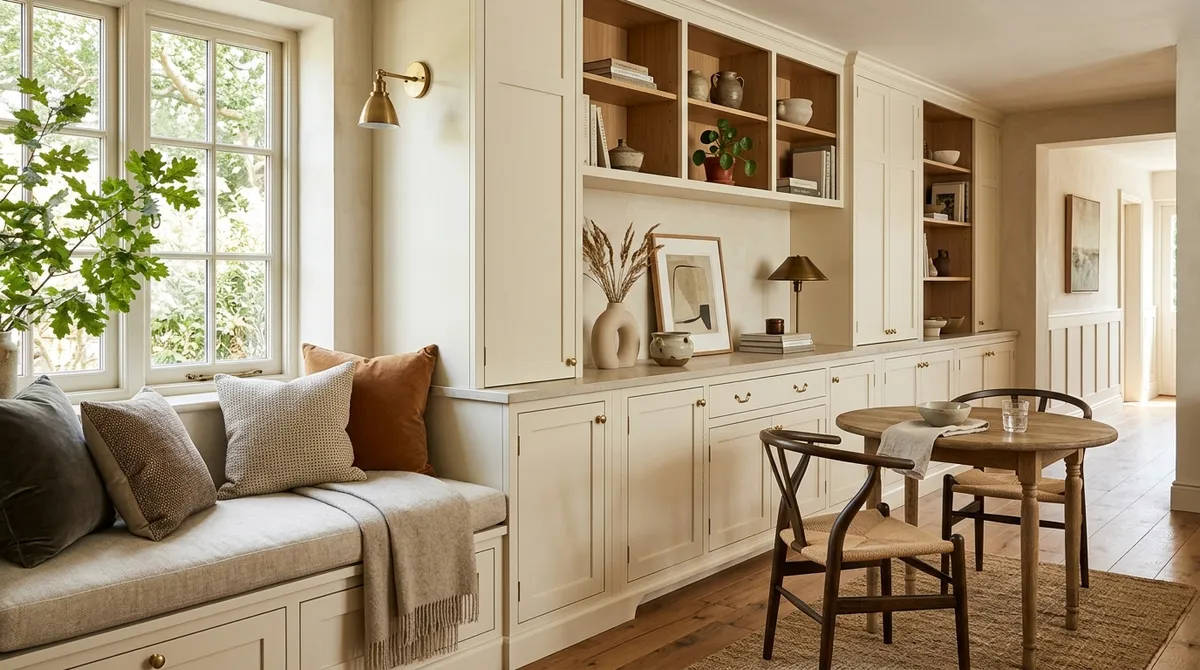
Interior designers are discovering a sophisticated solution for adding architectural detail to homes that extends far beyond traditional kitchen spaces. According to reports, professionals are increasingly incorporating kitchen cabinets in unexpected areas throughout the home—from bathrooms to dining rooms to media rooms—as an effective way to create visual interest and architectural sophistication.
Where Kitchen Cabinets Are Making Their Mark
This design approach is appearing in seven key areas of the home, each offering unique opportunities for transformation:
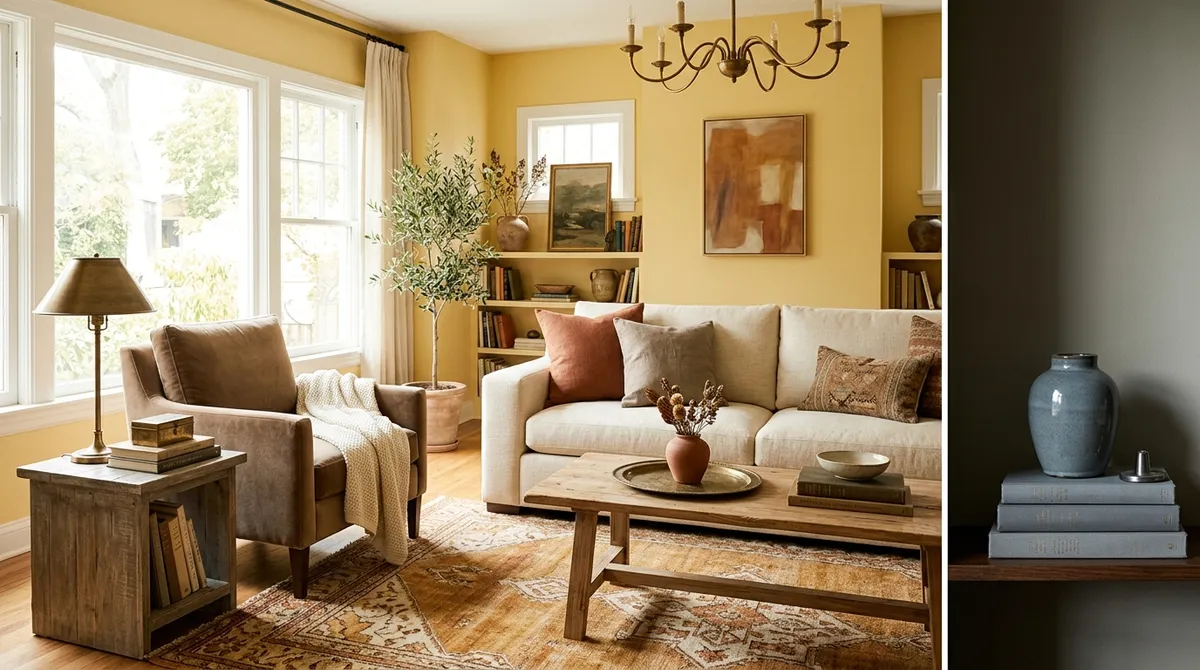
Formal sitting rooms are being elevated with carefully placed cabinetry that provides both storage and visual weight. Entry spaces benefit from chest-style cabinet installations that create impressive first impressions for guests.
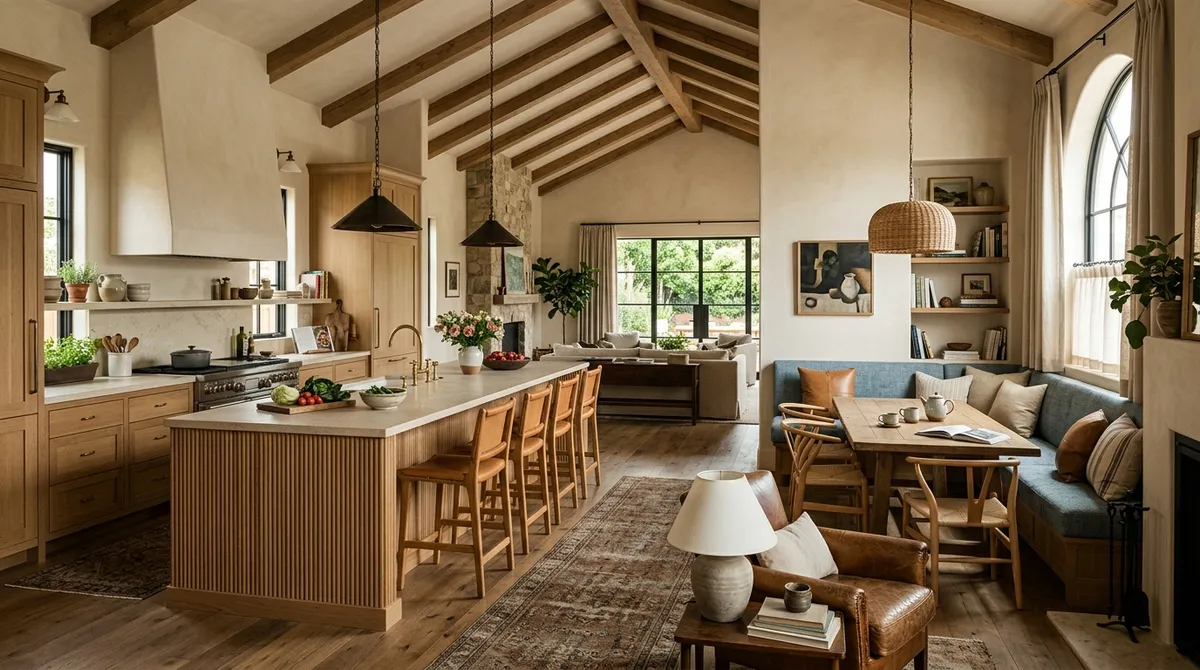
Mudrooms represent perhaps the most practical application, where kitchen-style cabinets offer the durability and functionality these high-traffic spaces demand. Banquette dining areas incorporate built-in cabinet bases that maximize seating while providing hidden storage.
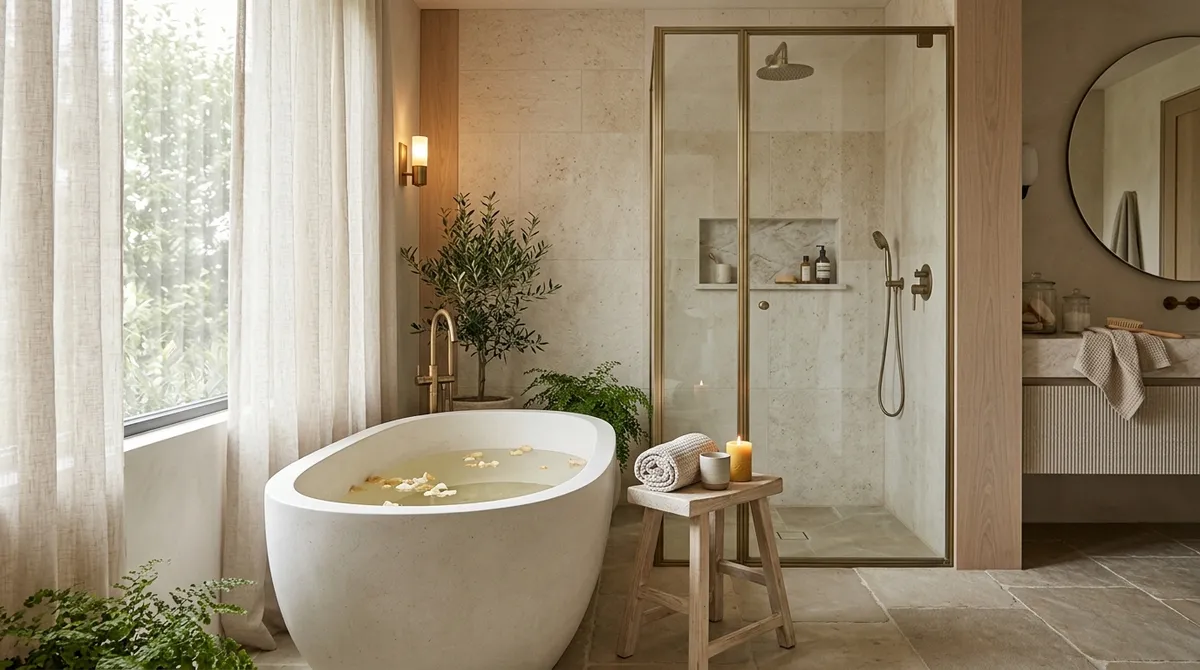
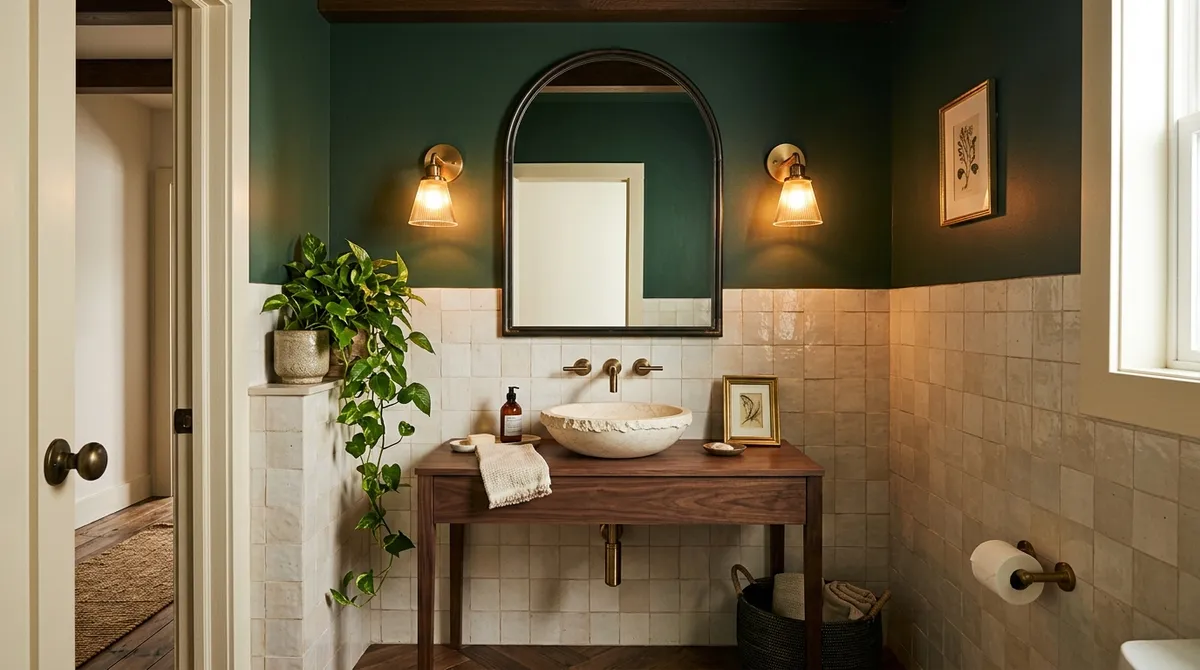
More unexpected applications include billiard rooms, where cabinets can house game accessories while maintaining the room's sophisticated atmosphere. Bathrooms are seeing kitchen cabinetry used for vanities and storage solutions that bring unexpected elegance to utilitarian spaces.
Bay window seating represents another creative application, where cabinet bases provide both comfortable seating platforms and valuable storage in often-underutilized spaces.
Why This Trend Is Gaining Momentum
According to reports, home design trends are shifting toward maximalist, layered interiors where architectural details play a crucial role in overall aesthetic success. This movement away from minimalism has created demand for design solutions that add visual complexity and interest.
The appeal of repurposing kitchen cabinetry lies in its accessibility. Rather than investing in expensive custom built-ins or major renovations, homeowners can achieve sophisticated architectural detail through strategic cabinet placement and styling.
Making Kitchen Cabinets Work Outside the Kitchen
The success of this design approach depends heavily on execution. Key strategies include swapping out standard kitchen hardware for pieces that better suit the new space's function and aesthetic. Door profiles can be modified or replaced to create a more custom, furniture-like appearance.
Paint colors play a crucial role in helping kitchen cabinets feel intentional rather than out-of-place in their new environments. The right color choice can transform a utilitarian kitchen cabinet into a sophisticated design element that enhances rather than detracts from a room's overall aesthetic.
Content Creation Opportunities
This trend presents numerous opportunities for home improvement content. Before-and-after transformations showcasing kitchen cabinets in unexpected spaces demonstrate the dramatic impact this approach can achieve.
Room-by-room breakdowns help homeowners understand which spaces work best for repurposed cabinetry and the reasoning behind successful placements. Tutorial content focusing on hardware swaps and door profile modifications provides practical guidance for DIY enthusiasts.
The budget-friendly nature of this approach makes it particularly appealing content, as it offers an alternative to expensive custom built-ins while achieving similar visual impact.
A Practical Design Solution
This design trend represents more than just creative repurposing—it's a response to homeowners' desire for sophisticated architectural detail without the associated costs of major renovations. By thinking beyond traditional applications, kitchen cabinets become versatile design tools capable of transforming spaces throughout the home.
As maximalist design continues to gain popularity, expect to see more creative applications of kitchen cabinetry in unexpected spaces, proving that good design often comes from reimagining everyday elements in new contexts.