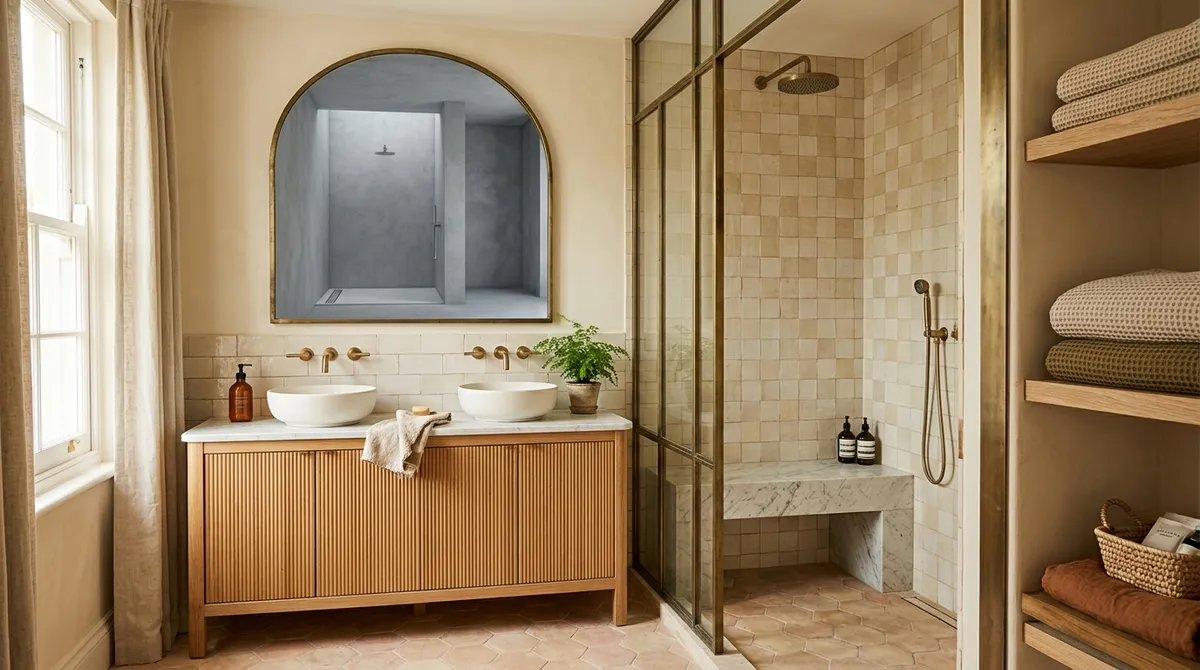
The Great Bathroom Design Divide
A growing generational divide is emerging in bathroom design preferences, with many boomer homeowners expressing strong opposition to the ultra-minimal wet room trend that has dominated luxury home renovations in recent years.
According to reports, boomer homeowners are rejecting what they perceive as stark, clinical bathroom designs that prioritize aesthetics over comfort and functionality. These ultra-minimal wet rooms, characterized by their spa-inspired luxury look and stark white surfaces, are being described by older homeowners as too hotel-like rather than homey.
What Boomers Want Instead
The preference gap reveals fundamental differences in how generations approach bathroom design. While younger homeowners may gravitate toward sleek, minimalist aesthetics, boomers are seeking warmer, more timeless bathroom designs that emphasize comfort and usability.
Key elements that resonate with boomer preferences include:
- Clear separation between different bathroom zones
- Textured surfaces that add visual and tactile warmth
- Classic design details that stand the test of time
- Functional layouts that prioritize daily use over visual impact
The ROI Reality Check
This generational divide has significant implications for homeowners considering bathroom renovations. Bathroom remodels continue to represent a high-return-on-investment home upgrade, but trend-driven choices may not align with what a significant portion of potential buyers actually prefer.
The clash between cutting-edge design trends and practical homeowner preferences highlights a crucial consideration for renovation planning. As multigenerational design becomes increasingly important and aging-in-place priorities grow, the balance between sleek aesthetics and practical comfort is shifting.
Finding Middle Ground: Warm Minimalism
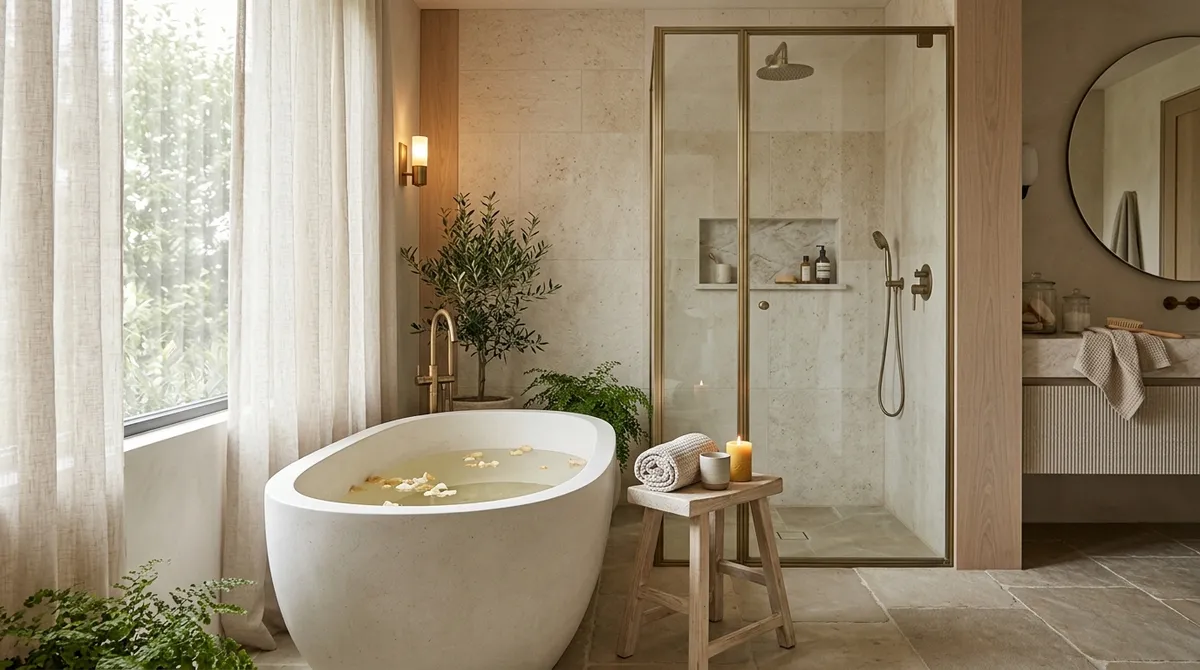
The solution may lie in what design professionals are calling "warm minimalism" – an approach that maintains modern sensibilities while incorporating elements that make spaces feel more inviting and comfortable.
This design philosophy focuses on:
- Clean lines without stark sterility
- Modern functionality with homey comfort
- Timeless elements that won't feel dated
- Textures and materials that add warmth
Practical Alternatives for Modern Bathrooms
For homeowners seeking contemporary design without the clinical feel, several alternatives can provide modern functionality while addressing comfort concerns:
Wet Room Alternatives: Small bathrooms don't necessarily need full wet room treatment. Strategic use of glass panels, proper drainage solutions, and thoughtful layout can achieve similar space-maximizing effects without the stark aesthetic.
Budget-Friendly Softening Techniques: Homeowners can modify overly clinical bathroom designs through strategic additions like textured tiles, warm lighting, natural materials, and carefully chosen accessories that add personality without compromising the clean aesthetic.
The Broader Design Conversation
This bathroom design debate reflects larger conversations about how different generations approach home design. While younger homeowners might prioritize Instagram-worthy aesthetics and cutting-edge trends, older homeowners often value comfort, functionality, and timeless appeal that won't require frequent updates.
The growing emphasis on aging-in-place design further complicates the equation, as safety, accessibility, and long-term usability become increasingly important considerations alongside aesthetic preferences.
Looking Forward
As the home design industry continues to evolve, the challenge lies in creating spaces that satisfy both contemporary design sensibilities and practical comfort needs. The bathroom, being one of the most frequently used and expensive-to-renovate spaces in the home, serves as a perfect testing ground for this balance.
For homeowners planning bathroom renovations, the key takeaway is clear: while trends can provide inspiration, the best design choices are those that reflect the actual needs and preferences of the people who will use the space daily. Whether that means embracing warm minimalism, incorporating classic elements, or finding creative alternatives to stark wet rooms, successful bathroom design ultimately comes down to creating a space that feels both functional and welcoming.
The boomer resistance to ultra-minimal wet rooms isn't just about aesthetic preference – it's about creating homes that truly serve their inhabitants' needs while maintaining long-term value and appeal.