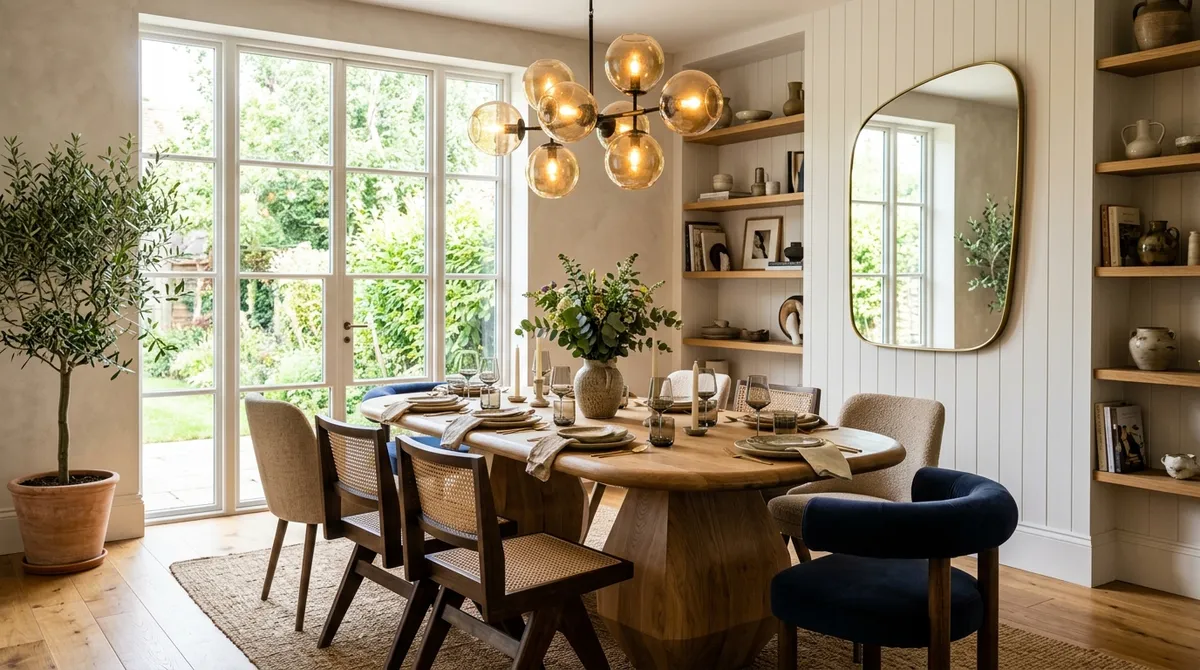
The Dining Room Renaissance of 2026
According to reports, dining rooms are experiencing a significant revival in 2026, but not in the way homeowners might expect. The emerging trends are reshaping how people think about formal dining spaces, moving away from stuffy, unused rooms toward more intentional and stylish environments.
As homes continue to serve multiple lifestyle functions, homeowners are rethinking underused rooms and making dining areas feel more expressive and practical. The formal dining room may not have been a staple in recent home design, but these decor trends are changing the way people envision and design their dining spaces this year.
Making Formal Dining Feel Essential Again
Reports indicate that the key shift in 2026 dining room design centers on making previously unused spaces feel essential again. Rather than serving as storage areas or forgotten rooms, dining spaces are being transformed into lived-in environments that serve modern lifestyles.
The trends focus on bringing back the dining room in a more current way, emphasizing functionality alongside style. This approach allows homeowners to modernize their dining spaces without requiring a complete renovation, making the transformation accessible to a wider range of budgets and skill levels.
Elevated Entertaining Through Design
According to reports, one of the driving forces behind these dining room trends is the desire to make entertaining feel more elevated. The new approach to dining room design emphasizes creating spaces that enhance social gatherings while maintaining everyday practicality.
This shift represents a departure from purely formal dining rooms that only saw use during special occasions. Instead, the 2026 trends encourage creating dining spaces that seamlessly integrate with daily life while still providing an elevated experience for guests.
Easy Updates for Outdated Spaces
Reports suggest that homeowners can achieve these modern dining room looks through strategic styling swaps rather than major renovations. The trends emphasize updates using color, lighting, and furniture choices that can transform an outdated dining space into something fresh and current.
These styling-focused updates make the trends particularly appealing to homeowners who want to refresh their spaces without significant investment or construction. The approach allows for gradual transformation and experimentation with different elements until the desired look is achieved.
The Psychology Behind the Revival
According to reports, the renewed interest in dining rooms reflects broader changes in how people use their homes. As living spaces continue to evolve to meet multiple lifestyle needs, formerly neglected areas like dining rooms are being reimagined to serve contemporary life better.
This trend aligns with early-year curiosity about what's "in" for 2026 interiors, positioning dining room updates as a way for homeowners to stay current with design trends while creating more functional living environments.
Practical Implementation
The emerging trends focus on making dining rooms feel more intentional and stylish without requiring dramatic overhauls. Reports indicate that the key lies in thoughtful updates that modernize the space while maintaining its essential function as a gathering place.
By emphasizing styling over structural changes, these trends make dining room updates accessible to homeowners across different budgets and design comfort levels. The focus on lighting, color, and furniture selection provides multiple entry points for transformation.
Looking Ahead
As these 2026 dining room trends continue to develop, they represent a broader shift in how homeowners approach underutilized spaces. The emphasis on making formal areas feel more current and lived-in suggests that traditional home design boundaries are becoming more fluid.
For homeowners considering dining room updates, these trends offer a roadmap for creating spaces that honor the room's traditional purpose while meeting modern lifestyle demands. The key appears to be balancing formality with functionality, creating dining spaces that feel both special and accessible.