
The Power of Strategic Color Choices
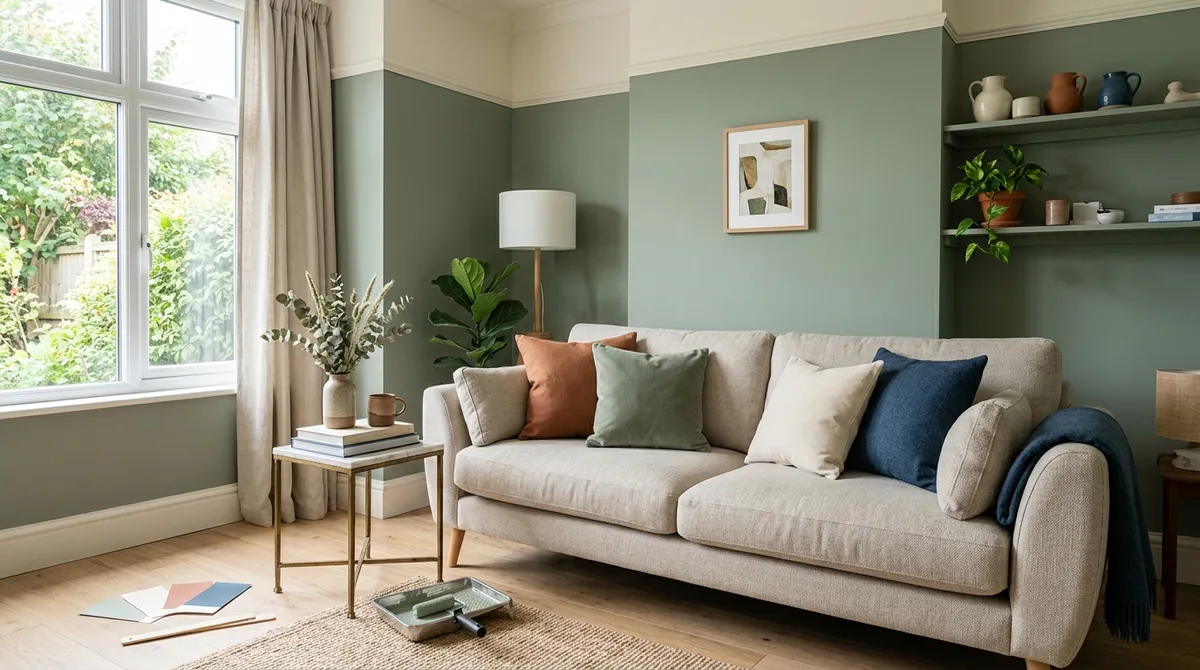
According to recent design insights, homeowners struggling with rooms that feel "off" may find their solution in color strategy. Interior design professionals have identified six key color decisions that can transform a disorganized space into a serene, well-designed room through intentional choices that create visual harmony and sophistication.
Foundation Strategy: One Bold, Cohesive Decision
Designers emphasize that establishing one bold, cohesive color decision serves as the foundation for room transformation. This approach moves away from scattered color choices that create visual chaos, instead anchoring the entire space around a single, confident color commitment that elevates the room's overall aesthetic.
Building Your Base with Neutrals
The second strategy focuses on using a neutral base to anchor the room. According to design professionals, neutral foundations provide stability and allow other color elements to shine without competing for attention. This grounding approach creates a sophisticated backdrop that supports the room's overall color story.
The Three-to-Four Color Rule
Experts recommend limiting your palette to three to four complementary colors. This restraint prevents the visual overwhelm that occurs when too many colors compete within a single space. By carefully selecting a focused palette, homeowners can achieve the cohesive look that distinguishes professionally designed spaces.
Strategic Accent Wall Placement
The fourth strategy involves choosing an accent wall strategically rather than randomly. Designers note that thoughtful accent wall selection can create focal points, define spaces, and add visual interest without disrupting the room's overall harmony. The key lies in considering the room's natural architecture and flow when making this decision.
Creating Flow Through Trim and Ceiling Colors
Matching trim and ceiling colors represents the fifth designer-approved strategy for creating flow throughout a space. This technique helps unify different elements within the room and creates a seamless visual experience that contributes to the overall sense of calm and organization.
Consistent Temperature Layering
The final strategy focuses on layering warm or cool tones consistently throughout the space. According to reports, maintaining temperature consistency in color choices helps create a cohesive atmosphere that feels intentional and well-planned rather than haphazard.
Why This Matters Now
These color strategies have gained particular relevance as home design and DIY room makeovers continue to surge in popularity. People are increasingly investing in their living spaces, making color psychology and accessible design tips especially valuable for those seeking quick, affordable upgrades.
Making Design Achievable
The appeal of these strategies lies in their accessibility for non-professionals. By focusing on paint and affordable decor swaps, homeowners can implement these designer-backed approaches without major renovations or significant financial investment.
Practical Implementation
For those ready to apply these principles, experts suggest starting with one strategy rather than attempting all six simultaneously. Whether choosing to establish that bold foundational color or limiting the palette to complementary hues, the key is intentional decision-making rather than random color selection.
The transformation potential lies in understanding that color chaos often stems from lack of strategy rather than poor individual choices. By applying these professional principles, homeowners can achieve the serene, cohesive spaces that characterize well-designed interiors, proving that thoughtful color decisions can indeed turn chaotic rooms into calm, sophisticated environments.