Transform Your Living Room for Summer Without Moving Furniture
As late spring transitions into early summer, many homeowners find their living rooms feeling visually heavy despite having layouts that still work perfectly. According to reports, designers have identified a solution that requires no furniture rearrangement, major purchases, or renovation work—just strategic swaps that can be completed in a single afternoon.
The core principle behind these quick refreshes involves reducing visual weight through lighter textiles, softer colors, simpler surfaces, flatter rugs, and fresher scents. Here are the five key swaps that design professionals recommend for an instant summer transformation.
Swap Out Heavy Winter Textiles
The first and most impactful change involves replacing heavy knit throws and velvet cushions with lighter alternatives. These dense, cozy textures that served you well during colder months now contribute to that weighed-down feeling in your space.
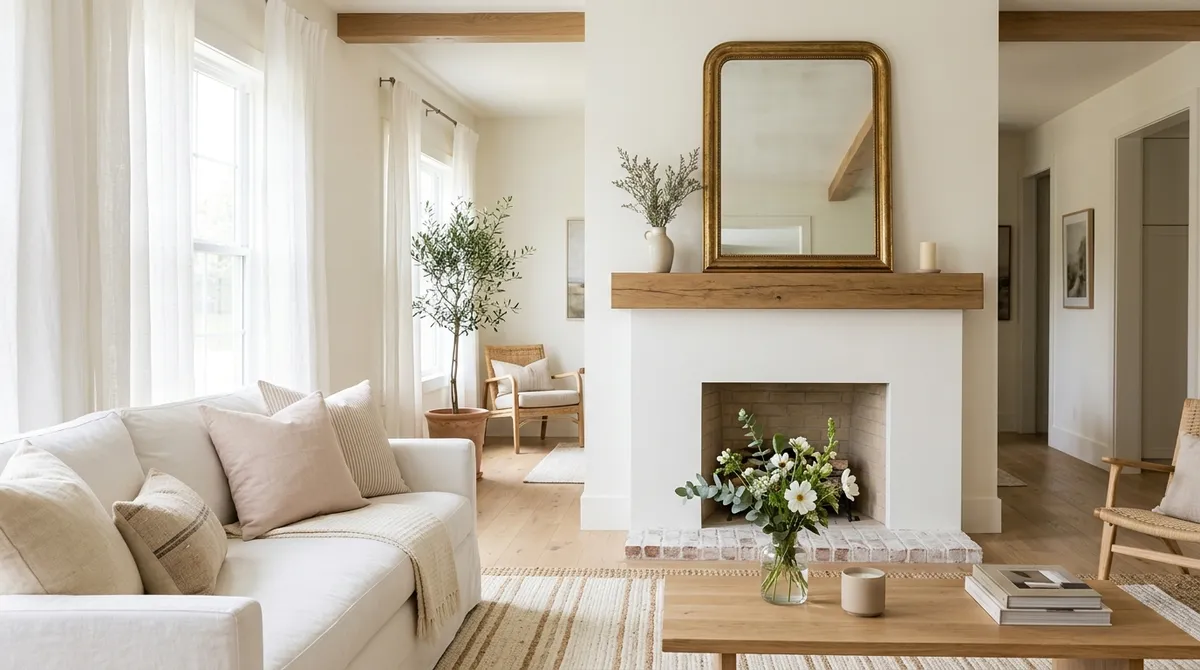
According to design experts, switching to lighter fabrics immediately creates a more breathable, summery atmosphere. Look through your linen closet for cotton throws, linen pillows, or lightweight blankets that have been stored away. Even removing some cushions entirely can help your sofa appear less cluttered and more spacious.
Lighten Your Color Palette
Dark-toned pillows and decorative accessories are the second element to address. These deeper hues, while sophisticated, can make spaces feel closed-in during brighter months when natural light is abundant.
Reports suggest that simply swapping darker accent pieces for lighter alternatives—or temporarily storing them away—can dramatically shift a room's mood. Consider neutral tones, soft pastels, or crisp whites that reflect rather than absorb light.
Simplify Surface Styling
Dense floral centerpieces and elaborate tablescapes, while beautiful, can contribute to visual clutter during summer months. According to designers, this is the perfect time to embrace a more minimalist approach to surface styling.
The goal isn't to strip surfaces bare, but rather to edit thoughtfully. Replace full, dense arrangements with simpler displays—perhaps a single statement piece or a few carefully chosen objects with plenty of breathing room around them.
Choose Flatter Floor Coverings
Thick, textured rugs are another element that can make rooms feel heavier than necessary during warmer months. Design professionals recommend swapping these for flat-weave alternatives that provide coverage without the visual bulk.
Flat-weave rugs, jute runners, or even temporarily removing area rugs entirely can help create a more open, airy feeling. This swap is particularly effective in smaller living rooms where every visual element counts toward the overall sense of spaciousness.
Refresh Your Scent Profile
The final element often overlooked in seasonal refreshes is scent. Wintery candles and fragrances—think pine, cinnamon, or heavy vanilla—can psychologically keep you anchored in colder months even when everything else has been updated.
According to reports, changing to fresher scents is part of the comprehensive approach to seasonal room transformation. Light, clean fragrances or simply opening windows for natural fresh air can complete the summer transition.
The Psychology Behind Seasonal Swaps
What makes this approach particularly effective is its focus on visual weight rather than physical rearrangement. Each swap works together to create a cohesive feeling of lightness and airiness that's perfectly suited to warmer weather.
The beauty of this method lies in its accessibility—most homeowners already own lighter alternatives to their current heavy pieces, making this truly a no-cost refresh. By working with existing items and simply editing what's currently displayed, you can achieve a significant transformation without any shopping required.
Making the Most of Your Afternoon Refresh
Design experts suggest approaching these swaps systematically, starting with textiles since they typically have the biggest visual impact, then moving to color adjustments, surface styling, floor coverings, and finally scent.
This strategic approach to seasonal decorating proves that effective room refreshes don't require major investments or extensive time commitments—just thoughtful editing and a clear understanding of how different elements contribute to a space's overall feeling.