
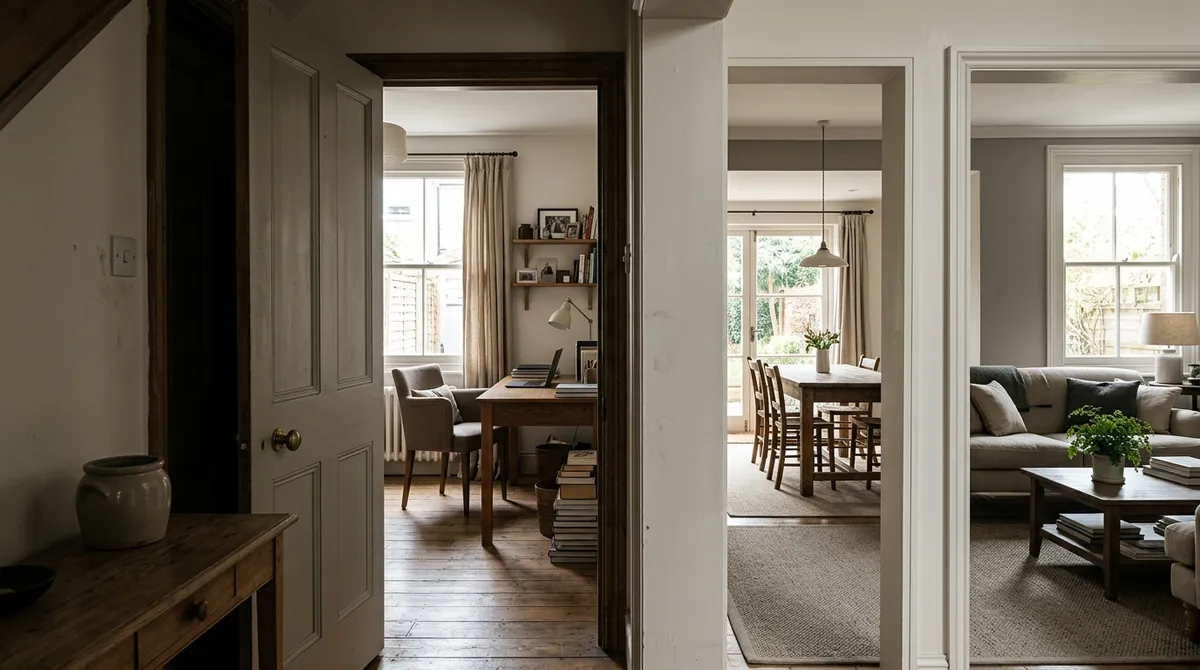
The Open Concept Reality Check
According to recent reports, the open concept layout trend that dominated home design for years may have gone too far. As homeowners spend more time working, relaxing, cooking, and socializing at home, the drawbacks of open-plan living are becoming increasingly apparent.
The core issue centers around noise, privacy, and what experts describe as the difficulty of sharing spaces peacefully. Open concept homes, once praised for their spacious feel and social connectivity, are now being criticized for creating more household conflict and eliminating essential privacy zones.
Why Separate Rooms Are Gaining Appeal
The movement toward "separate rooms for separate functions" reflects a growing understanding of how different household activities require different environments. According to reports, older floor plans that feature distinct spaces for cooking, entertaining, relaxing, and escaping household distractions are regaining popularity among homeowners.
This shift isn't purely nostalgic. Privacy, noise control, and household harmony have become bigger priorities in current home design conversations, particularly as remote work and extended home time have highlighted the limitations of open floor plans.
The Practical Problems of Open Living
Open concept layouts present several challenges that weren't as apparent when homeowners spent less time at home. Noise travels freely throughout these spaces, making it difficult for family members to engage in different activities simultaneously. Whether someone is cooking, watching television, or taking work calls, these activities can interfere with each other in ways that separate rooms would prevent.
The lack of privacy in open concept homes also affects household dynamics. Without designated spaces for different functions, families struggle to find quiet zones for focused work, private conversations, or simply personal downtime.
The Return of Formal Spaces
Reports indicate that formal dining rooms and cozy living rooms are experiencing a comeback as homeowners recognize their value. These dedicated spaces allow for specific activities without the interference common in open concept layouts.
The appeal extends beyond functionality to the psychological benefits of having distinct environments for different moods and purposes. A formal dining room can create an atmosphere for special meals, while a separate living room can provide a focused space for relaxation or entertainment.
Design Solutions for Existing Open Concept Homes
For homeowners dealing with existing open concept layouts, there are ways to add privacy without complete remodeling. Strategic furniture placement, room dividers, and creative use of built-ins can help create more defined spaces within open floor plans.
These solutions acknowledge that while open concept living has benefits, the complete elimination of separate spaces may not serve modern household needs effectively.
Lifestyle Considerations
The choice between open concept and closed floor plans ultimately depends on individual lifestyle needs. Households with multiple people working from home, families with children of different ages, or anyone who values quiet spaces for different activities may find separate rooms more functional.
As home design conversations evolve, the emphasis is shifting from maximizing open space to optimizing space for actual living patterns. This practical approach to design prioritizes how spaces function for daily life over purely aesthetic considerations.
Looking Forward
The backlash against open concept design represents a broader trend toward more thoughtful space planning. Rather than following design trends blindly, homeowners are increasingly considering how their living spaces can better serve their actual needs for privacy, noise control, and functional separation of activities.
This shift suggests that future home design will likely balance openness with privacy, creating homes that serve both social connection and individual needs more effectively.